Bible Story Freeze-Frames
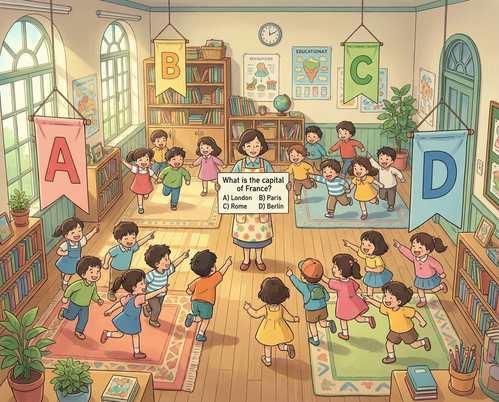
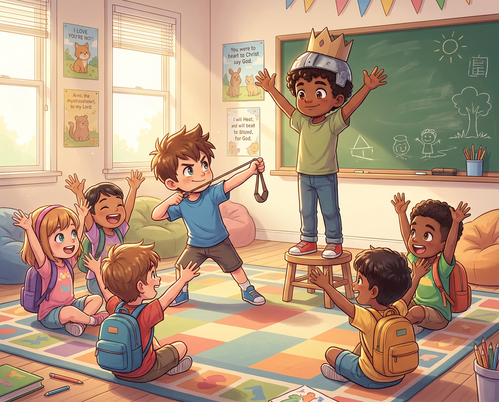
- Divide children into small groups and assign each group one scene from the Bible story.
- Give them five minutes to create a silent “statue” of the moment, then have the class guess what is happening.
Example: For David and Goliath, groups could portray David choosing stones, Goliath challenging Israel, and David facing Goliath.
Ask: “What does this scene teach us about trusting God?”
Verse Puzzle Relay
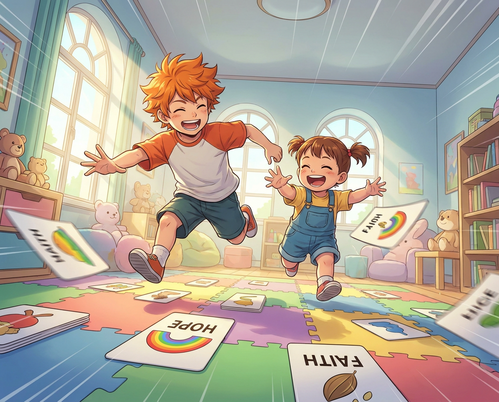
- Write or print a memory verse one word or phrase per card.
- Mix the cards up and place them across the room.
- Teams race to collect the pieces and arrange the verse correctly.
For younger children, use short verses and picture clues.
For older children, remove a few words and challenge them to supply the missing parts.
Verse-order and Bible-book recall activities are commonly used to reinforce memory through active play.
Mystery Bag Object Lesson
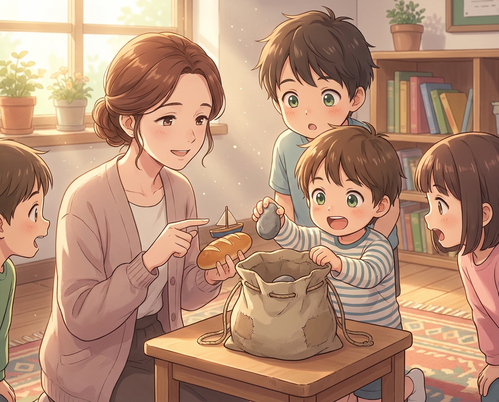
- Put 3–5 everyday objects in a bag that connect to the Bible lesson.
- Let children feel or pull out the objects, then explain the connection.
Examples:
- A small stone for David’s courage
- A flashlight for Jesus as the Light of the World
- A seed for faith and spiritual growth
- A bandage for the Good Samaritan
- A key for prayer and God’s promises
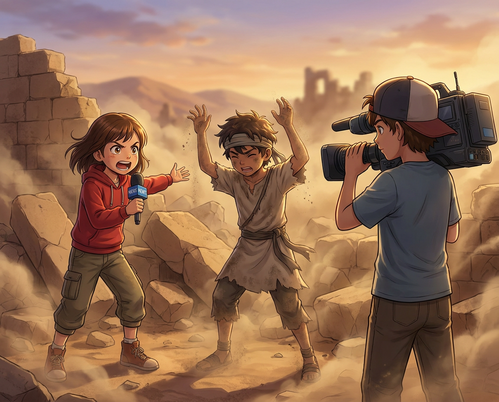
Bible News Report
- Turn the Bible story into a live news broadcast.
- Assign roles such as reporter, eyewitness, storyteller, camera operator, and interview guest.
- Children can “report” from Jericho after the walls fall or interview Peter after walking on water.
This is especially effective for older elementary children and teens because it encourages them to retell the story in their own words without changing its meaning.
Prayer Stations
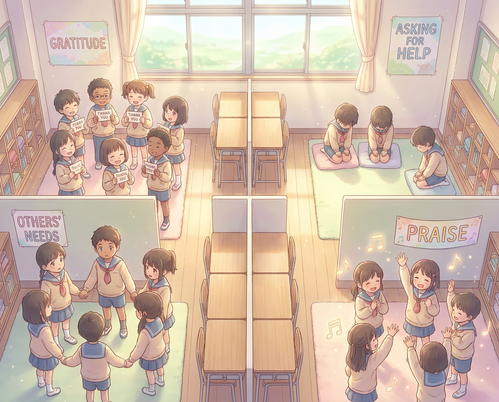
Set up simple corners around the room, each with a different prayer focus:
Use a matching verse at each station.
Children can write, draw, speak, or silently pray. This helps move from hearing Bible truth to personally responding to God.
- Thank God
- Pray for someone in need
- Ask God for help
- Praise God for who He is
Use a matching verse at each station.
Children can write, draw, speak, or silently pray. This helps move from hearing Bible truth to personally responding to God.
Choose-Your-Response Bible Scenarios
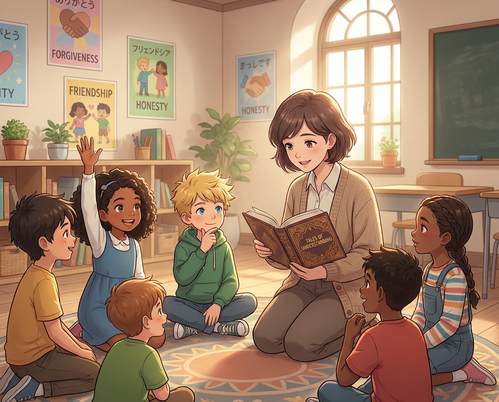
- Read short real-life situations connected to the day’s lesson.
- Give children two or three possible responses and ask which one reflects biblical wisdom.
Example, after teaching forgiveness: “A friend says something hurtful about you. Do you spread a rumour, ignore them forever, or speak honestly and choose forgiveness?”
Let children explain their choice using the lesson verse.
This builds a bridge between Scripture and school, family, friendships, and online behaviour.
Scripture Art Gallery
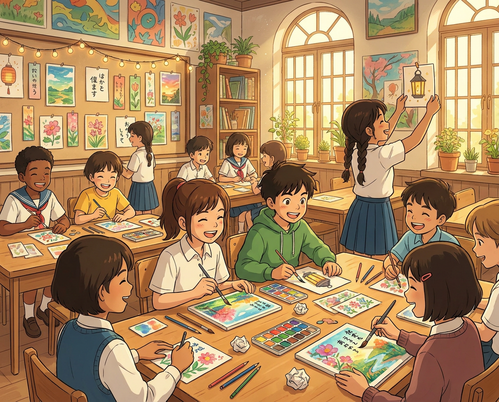
- Give each child a paper, canvas, bookmark, or folded card featuring the lesson verse.
- Invite them to illustrate the meaning rather than simply decorate the words.
- Then create a mini gallery walk so everyone can view the artwork.
Verse bookmarks, gratitude jars, creation collages, and visual crafts can provide take-home reminders of biblical themes.
Bible Detective Hunt
- Hide clues, pictures, or Bible references around the room.
- Each clue leads to the next until children identify the day’s Bible character, place, object, or main lesson.
Example clues for Noah:
- A paper raindrop
- A small animal picture
- A rainbow strip
End by asking children to find the exact verse in their Bibles and explain what God promised.
Pass-the-Question Ball
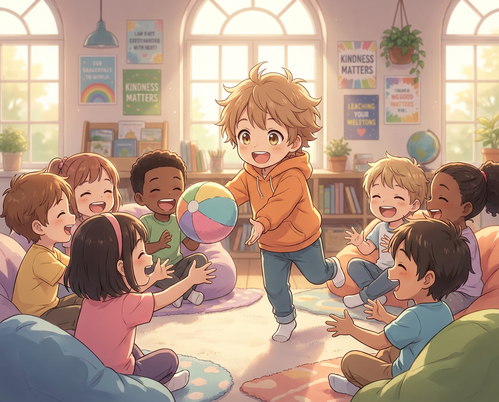
- Use a soft ball.
- Before tossing it, a child asks a review question about the story, the memory verse, or the day’s big idea.
- The person who catches it answers, then asks the next question.
Keep questions encouraging, not embarrassing.
For example: “What did Jesus do when the storm came?” or “What does our verse tell us to do when we feel afraid?”
Ball-based games can turn Bible review into a fast, active group activity.
Four Corners
- Label the four corners of the room A, B, C, and D—or use four pictures.
- Ask a multiple-choice question.
- Let children move to the corner with the answer they believe is right.
Example: “Where did Noah build the ark?”
A: In the sea
B: On dry land
C: In a palace
D: In Egypt
Reveal the answer, briefly explain it, and ask the next question.